What is Sickle Cell Disease?
Sickle cell disease (SCD) is an inherited, lifelong blood disorder that causes individuals to produce abnormal hemoglobin, causing their red blood cells to become rigid and sickle-shaped. These sickled cells have a shortened lifespan, resulting in a constant shortage of red blood cells. When these sickled cells travel through the blood, they often get stuck in the smaller blood vessels, blocking other oxygen-rich red blood cells from freely flowing throughout the body. This leads to complications ranging in severity, including severe pain, acute chest syndrome (a condition that lowers the level of oxygen in the blood), stroke, organ damage, and even premature death. Cure is in your hands
LET YOUR VOICE BE HEARD

Monica Meyer
When I was born, my mom first knew something was wrong with me when I was six months old. I was constantly in pain, continually crying. She thought I had rheumatic polio or fever. Our neighbors would come over, sit by my bed, and pray for me. After seeing doctors, I was diagnosed with sickle cell anemia. The townspeople told my parents it was a fatal disease and a curse (even though, as I later learned, it's not and treatment is available) and that I would only live to be 15. My mother just said, "Lord, please let my little girl live." It was very challenging for my parents, who didn't know much about the disease.

Elizabeth Nkoua
After earning her Ph.D. in London, Elizabeth Nkoua decided to become a sickle cell advocate back in her home country. As a research scientist, she believes that working together and sharing Knowledge among scientists bring us closer to a cure. She also lives with the condition herself. Making sickle cell treatment available for patients living in low-income countries is one of her primary goals. While being interviewed, she mentioned that finding a cure was possible, but it will take a collective effort.

Lyn Pea
As a patient, Lyn has been able to use the strength of her voice to raise funds for the sickle cell community and establish a career in sickle cell advocacy. When I was 25, I decided to educate people about the disease and support families caring for a newborn with sickle cell. I talk a lot to teens with sickle cell. I try to inspire them to have a life. I tell them not to worry about what they've missed; look for what's coming next. I still have crises about four or five times a year, but that can't stop inspiring the youth. I never gave up.
Brigitte Ishaba
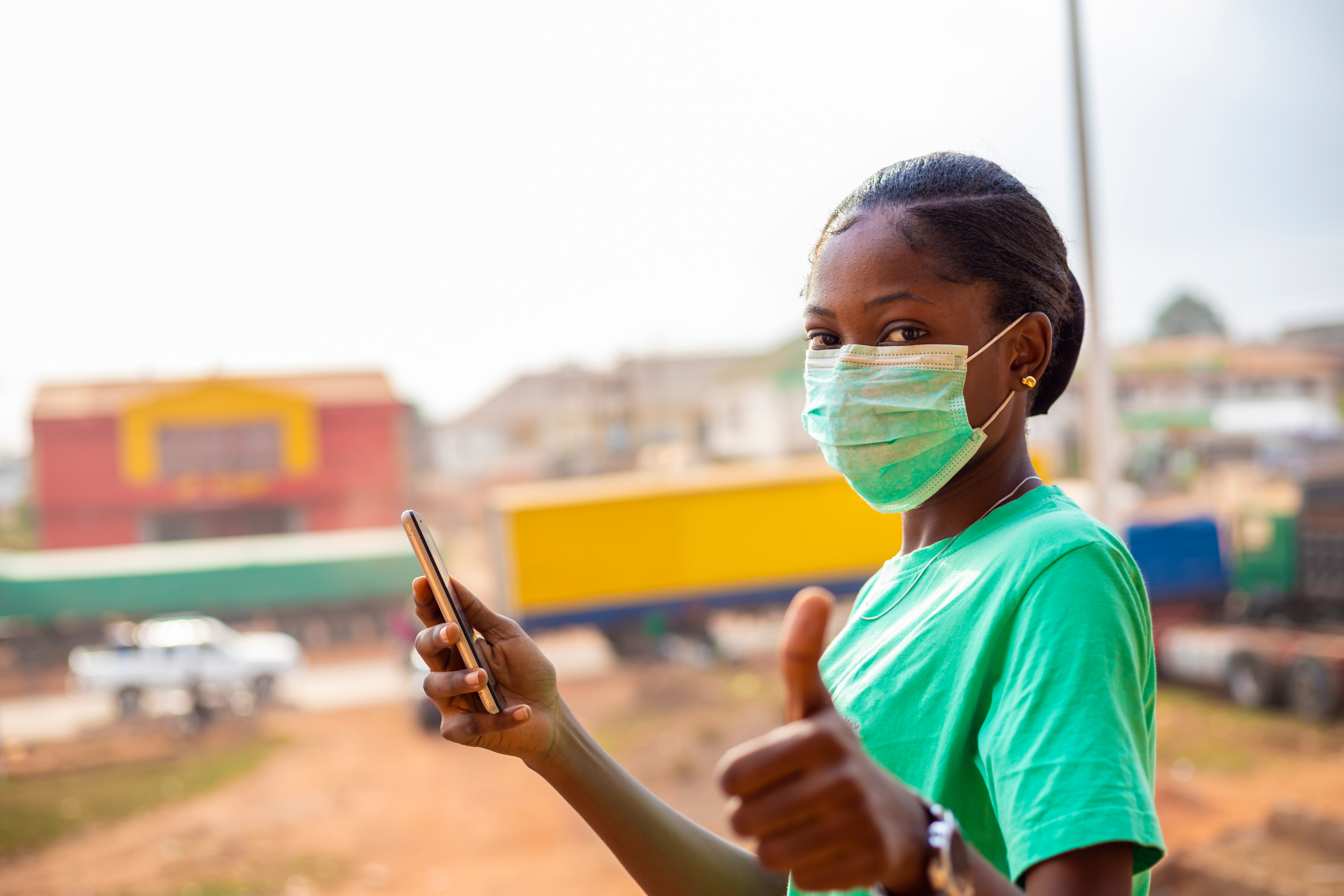
Ms. Ishaba is a sickle cell patient living in Bukavu, DRC. She founded a small charity group that provides opportunities for people living with sickle cell anemia to receive free medicines, share their stories and unit. When asked about her challenges, She stated that "not having all the appropriate treatment for SCD makes it very hard for those living in low-income countries to live a normal life. Therefore, suitable medication should be available for all to have a chance to live longer".
WE ALL HAVE A ROLE TO PLAY

access to care in Sub Saharan Africa
In Sub Saharan Africa, access to appropriate care is very limited by a number of critical factors and life expectancy is very low for those living with sickle cell anemia in western countries.

Training and professional education
There are not enough health care providers with comprehensive knowledge and expertise to care for people with sickle cell disease.

Research and clinical trials
The majority of available treatments manage symptoms of the disease, rather than treating the underlying cause of sickling.