
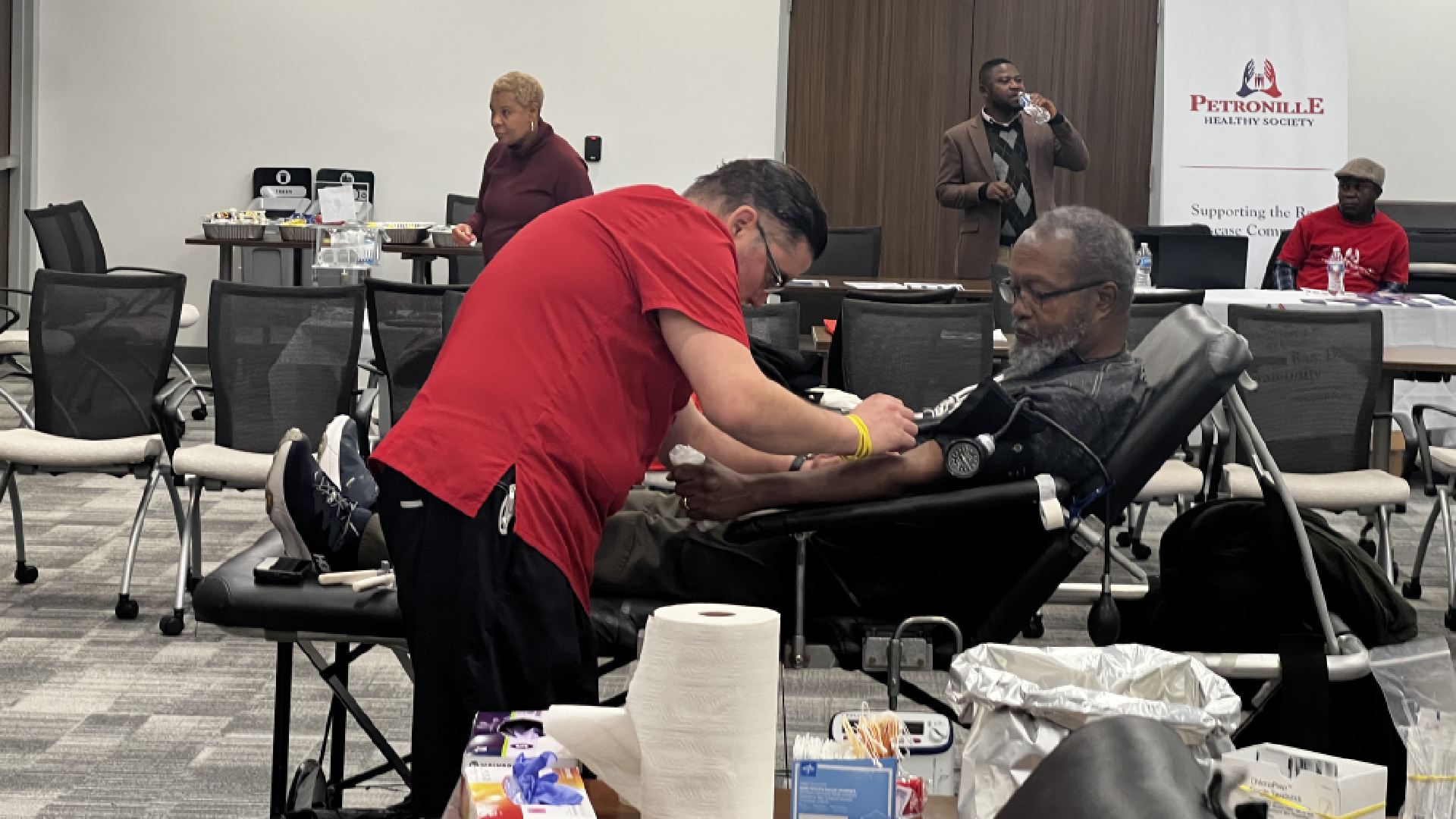
PHS delivers the program in partnership with the American Red Cross and a growing network of host partners, including hospitals and healthcare facilities, universities, businesses, and community organizations. Each partner opens its doors as a drive site and invites its employees, students, members of the community, and networks to take part, while PHS coordinates planning, donor recruitment, volunteers, and promotion, and the Red Cross manages all medical operations under its established clinical protocols. Through this model, employee engagement, volunteer service, and community investment are turned into a dependable blood supply for Greater Baltimore and measurable progress toward health equity.
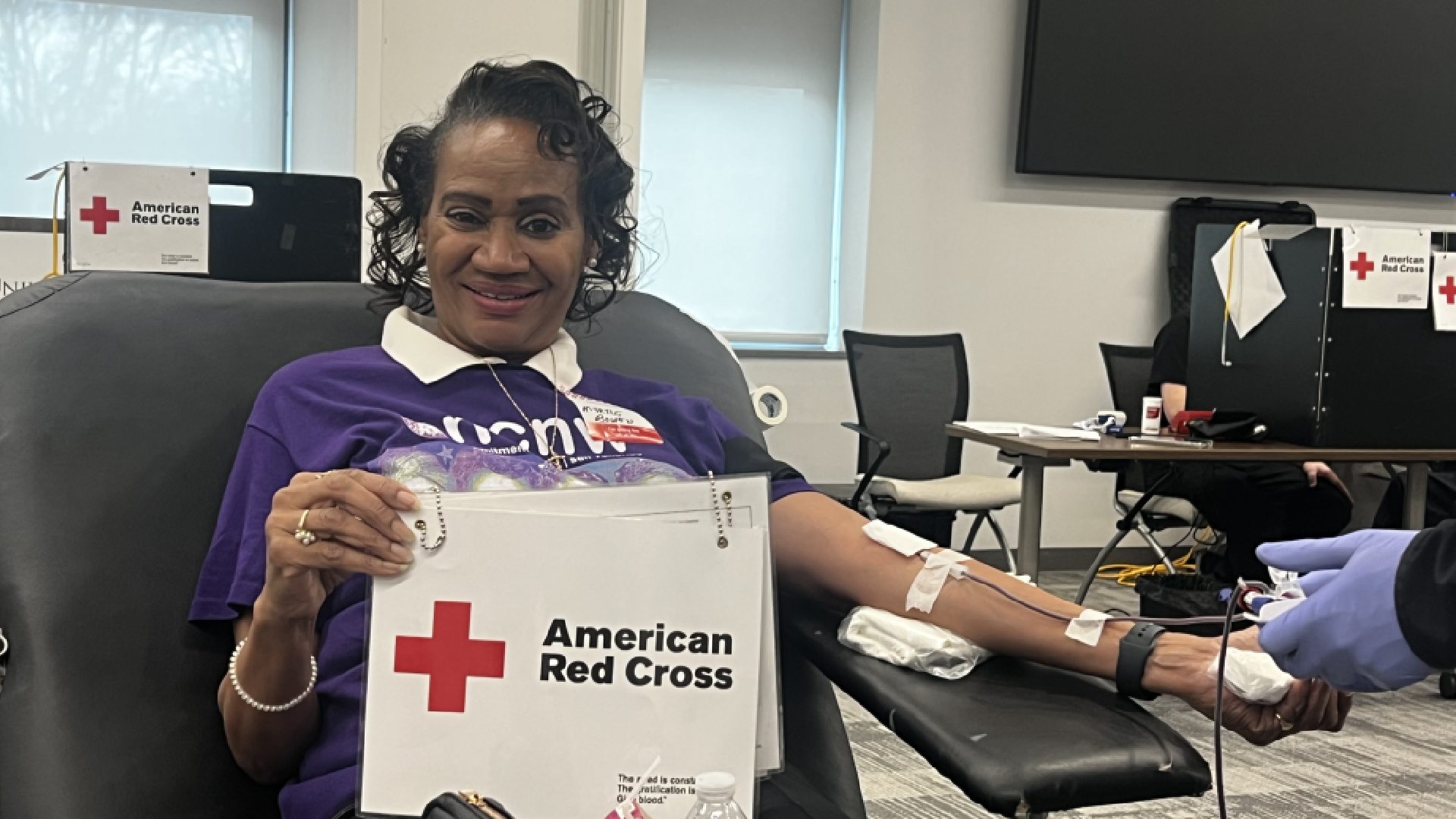
Blood cannot be manufactured, and it cannot be stockpiled indefinitely. Every unit used in cancer treatment, sickle cell transfusions, trauma care, and other medical emergencies comes from a volunteer donor, and every donation has a shelf life measured in weeks, not years. This is why the need never pauses. It does not slow for holidays, seasons, or headlines. For patients facing serious or unexpected health challenges, timely access to blood can be essential to their care, and it often arrives from donors they will never meet.
Behind every unit is a person waiting: a patient continuing chemotherapy, a child managing sickle cell disease, a family holding on through an emergency. The people who give blood, wherever they are across Greater Baltimore, become part of each of those stories without ever learning the names attached to them. That connection, between one person's decision to give and another person's chance to keep going, is the heart of blood donation and the reason this initiative exists, and it is why every community has a stake in the supply.
PHS works with organizations, healthcare institutions, community groups, and other partners across Greater Baltimore to bring community blood donation opportunities to the places where they can have the greatest reach. Each collaboration is shaped around the participating organization and the community it serves, whether that means providing a facility, engaging employees and members, supporting outreach, mobilizing volunteers, or helping connect eligible donors to the opportunity to give. PHS brings these efforts together through planning, coordination, community engagement, and a continued commitment to making blood donation a meaningful part of community service in Greater Baltimore.
For each drive, PHS works alongside partners with complementary capabilities to create an organized and welcoming experience for donors. The American Red Cross provides the specialized blood collection operation, while participating organizations and community partners help create the local reach and participation that make each drive possible. The result is more than a scheduled donation opportunity. It is a coordinated community effort that brings people and organizations together around a shared responsibility to support the patients of Greater Baltimore who depend on donated blood.
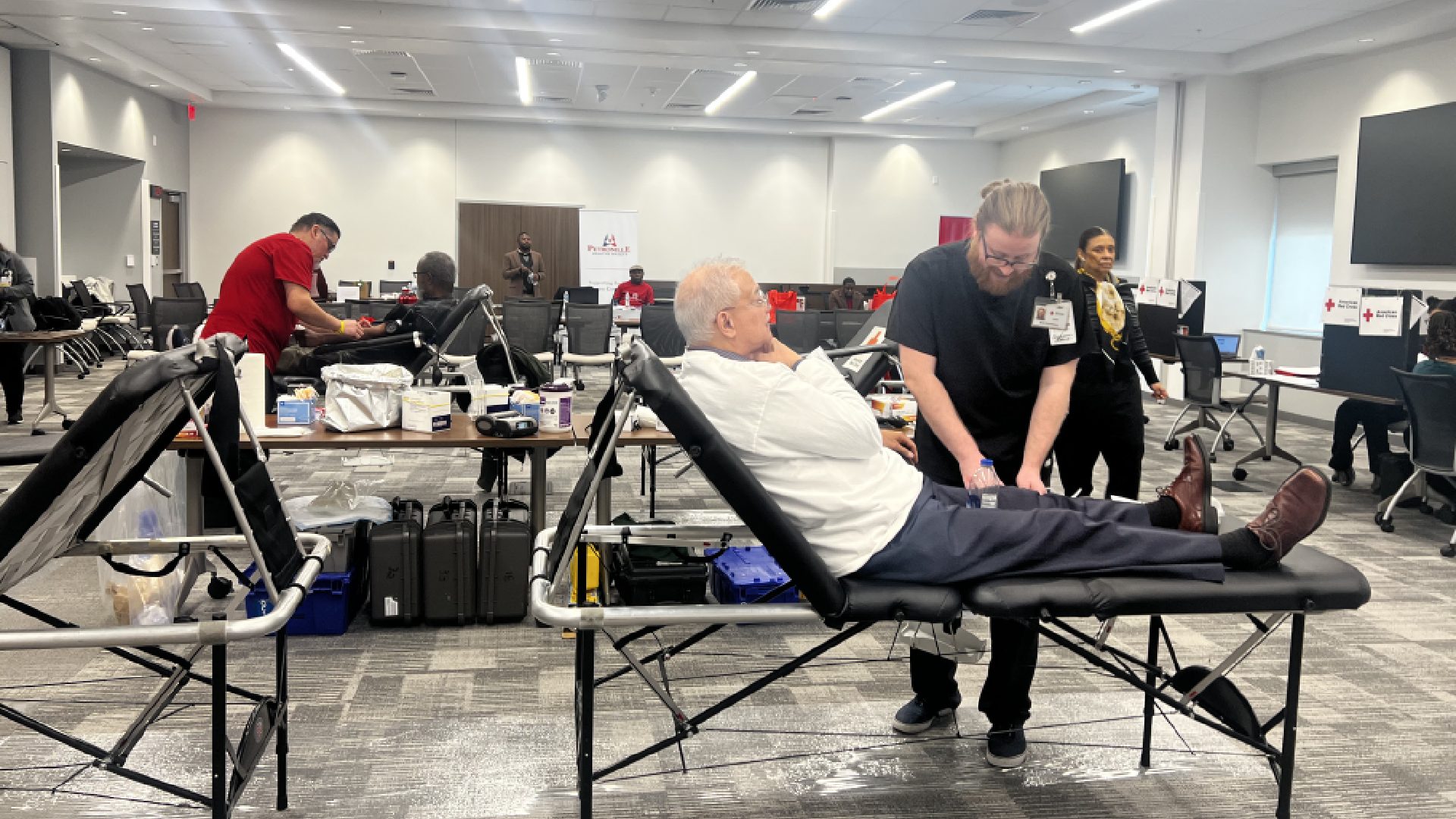
The math of blood donation is almost unfair. Ten minutes of your afternoon. One pint you will never miss. Set against that, the return is measured in treatments that continue, surgeries that proceed, and futures that stay open. Nothing else you will do this week, this month, or perhaps this year will give so much in exchange for so little. And the cost of not giving is paid entirely by someone else.
The chairs are where it happens. A student sits in one. A nurse takes the next. A first responder checks in between shifts, and a grandmother rolls up her sleeve for the fortieth time. No one announces them. No one learns their names. They simply give, then go back to their day carrying the rarest of feelings: the certainty that today mattered. Somewhere across Greater Baltimore, a patient will receive what they gave and never know who to thank. That anonymity is not a footnote to the act. It is the act itself. The heroes in every chair ask for nothing back and expect no recognition, and that is exactly why they deserve everything.
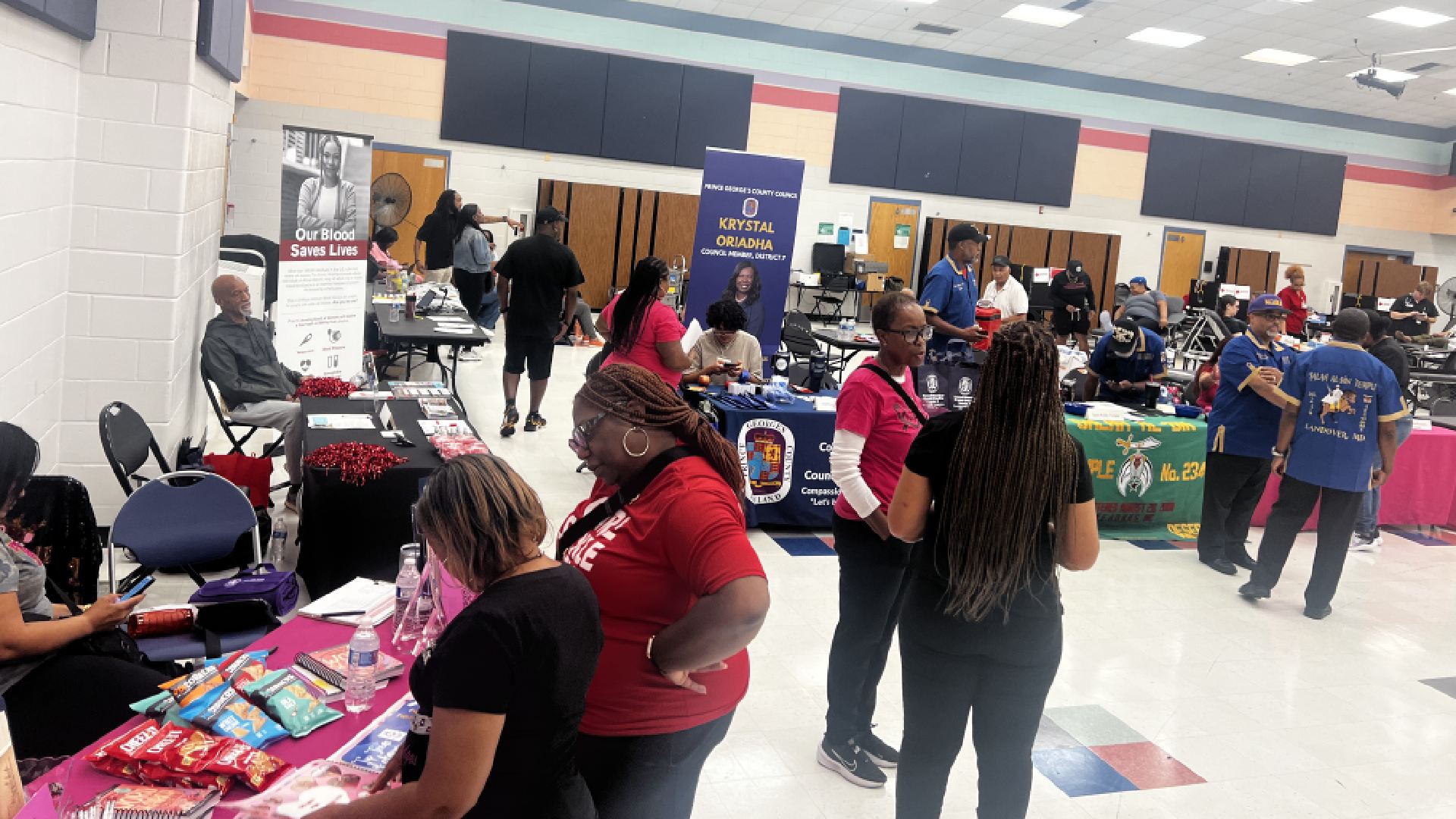
The initiative runs on a fixed calendar: four drives a year, four points of giving spread evenly across the seasons so that giving never drifts far from the community's mind, with the December drive held on GivingTuesday, December 1. When communities know when the next drive is coming, giving stops being an occasional response and becomes a standing commitment. Host partners can plan around set dates, volunteers know when they will be needed, and donors come to expect the initiative the way they expect any institution that truly serves them.
The rhythm also serves the mission directly. Giving is easiest when it is a habit, and habits are built through repetition. Four drives a year give every community across Greater Baltimore repeated chances to take part, and they give the initiative a steady rhythm of visibility and partnership throughout the year. December adds one more layer of meaning: by anchoring the final drive of the year to GivingTuesday, a global generosity movement celebrated across the country and in communities around the world, the initiative connects that national attention to donated blood. The calendar is simple: keep the dates fixed, keep the doors open, and let the year do the work.
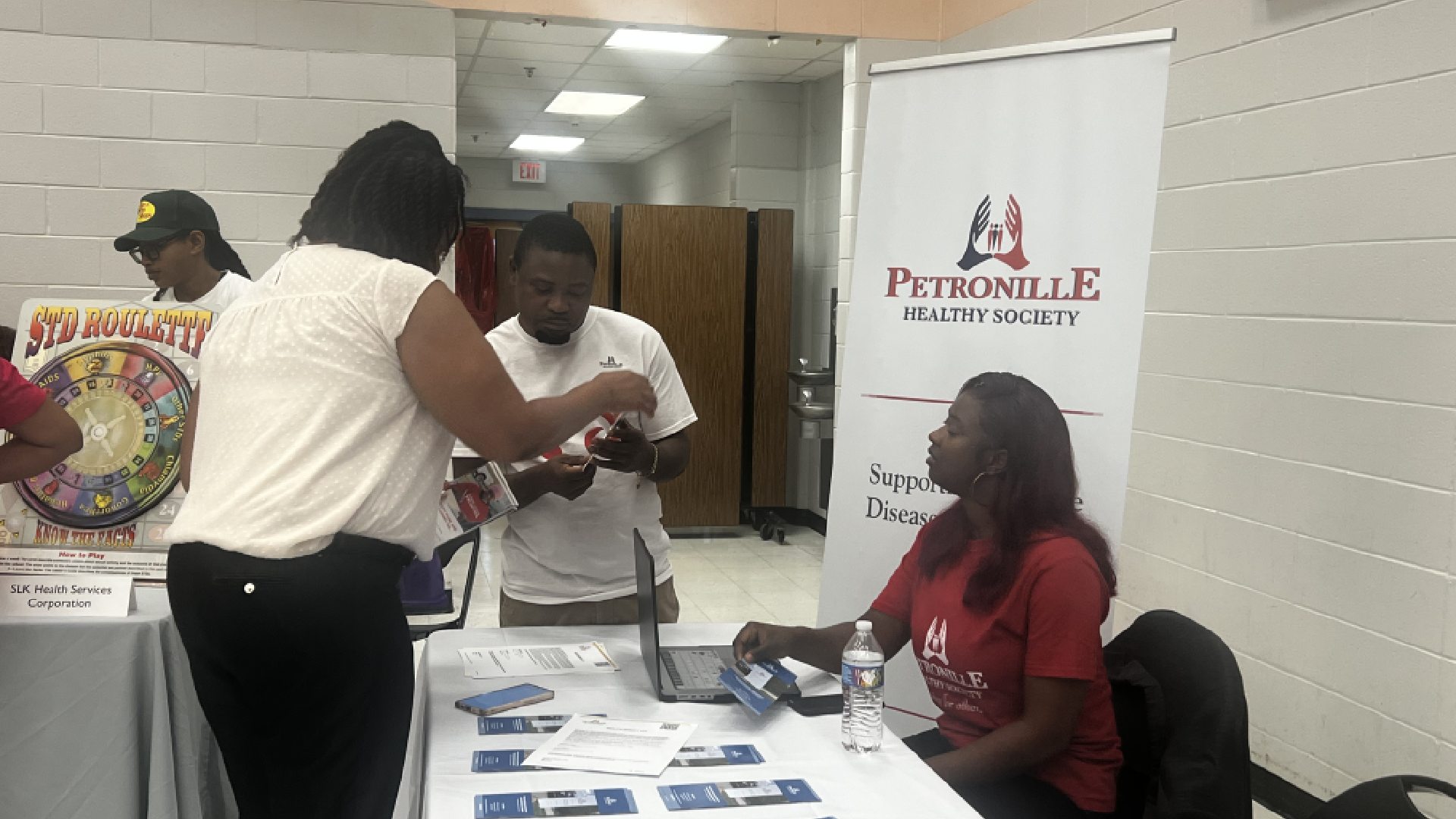
From the first greeting to the final thank you, every moment is designed to honor the donor. The registration team greets each guest with warmth and efficiency. Health screenings are conducted with professionalism and discretion. Refreshments and recovery areas offer comfort and gratitude. The resource table provides information from all four partners, including sickle cell education from the Maryland Sickle Cell Coalition, rare disease advocacy from Petronille Healthy Society, hospital services from the University of Maryland Hospital, and blood donation facts from the American Red Cross.
This coalition does not simply collect blood. These organizations build relationships, answer questions, and connect families to resources they never knew existed. Every donor is thanked not only for their generosity, but with the knowledge that they have joined a meaningful community effort.
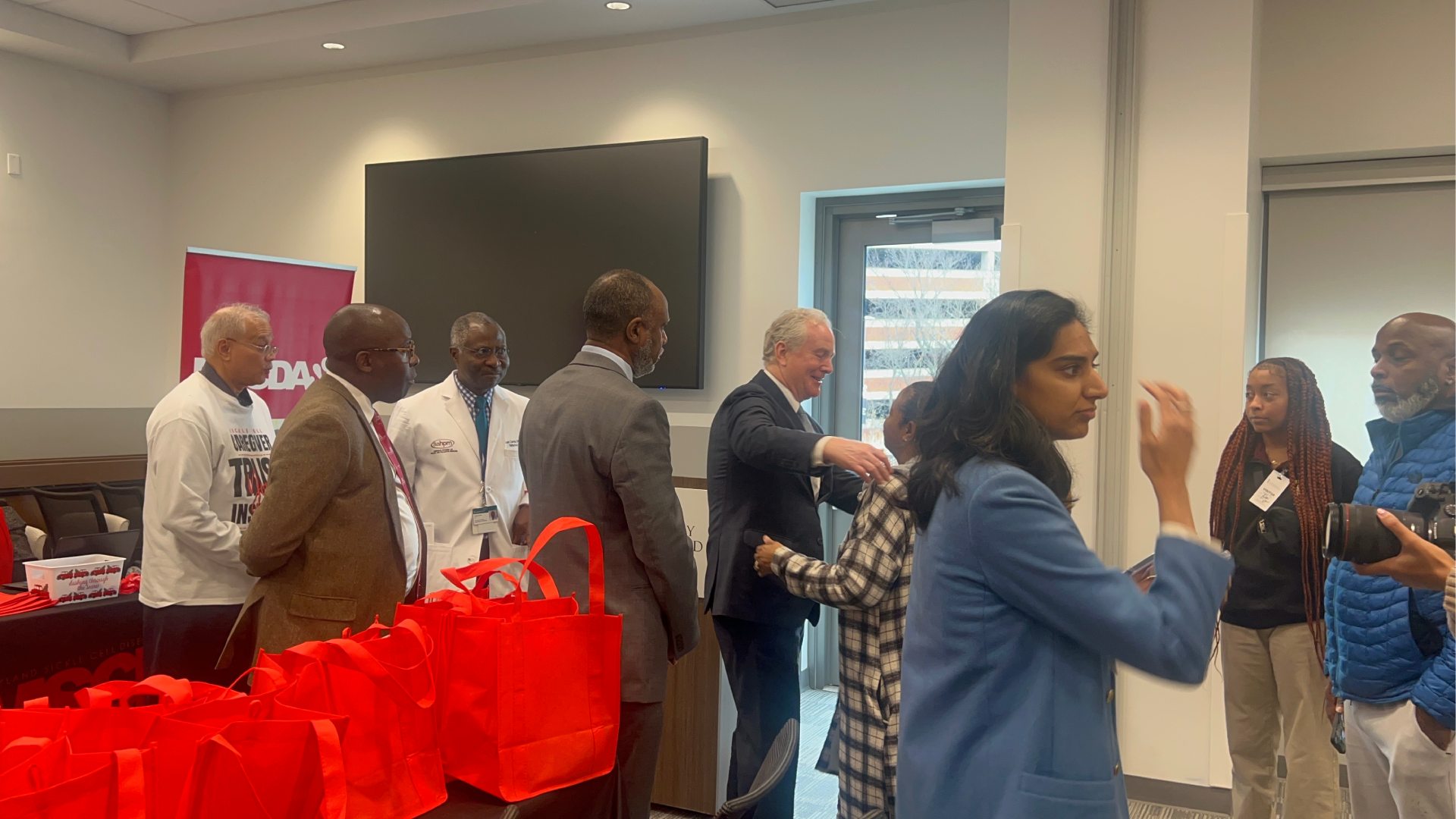
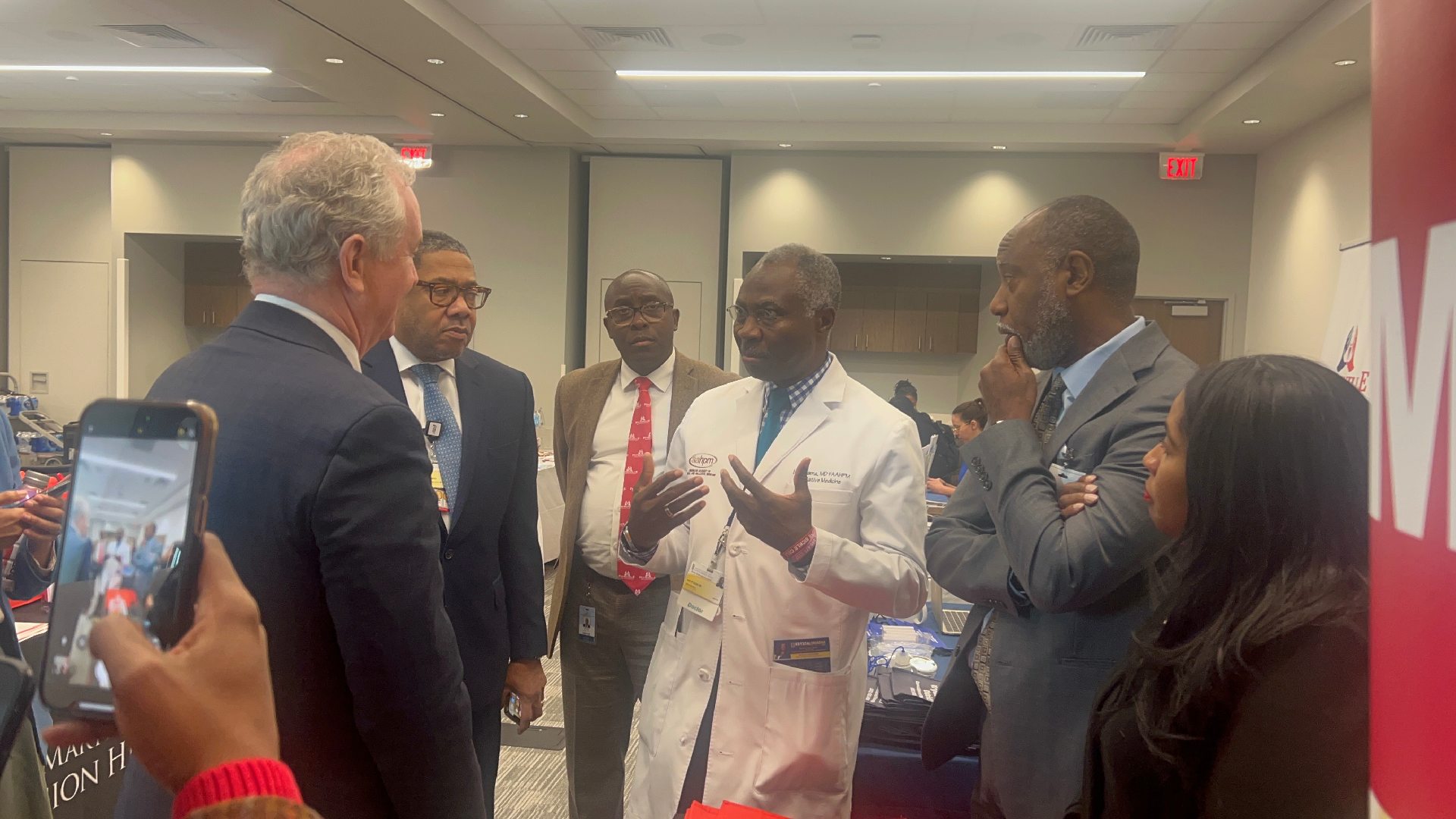
United States Senator Chris Van Hollen joined community members and partners at the event, bringing the attention of a statewide leader to an effort taking place in his own community. He met with representatives from the University of Maryland Hospital, the American Red Cross, and the Maryland Sickle Cell Coalition, speaking with clinicians, blood collection professionals, advocates, volunteers, and donors. His presence reflected the importance of elected leaders staying connected to the people and organizations working every day to address needs that affect Maryland families.
For the organizations and community members involved, the visit was a meaningful expression of support for local action. Senator Van Hollen’s engagement gave recognition to the individuals donating blood, the volunteers contributing their time, and the organizations providing the expertise and community connections behind the event. Petronille Healthy Society is grateful to Senator Van Hollen for taking the time to stand with his constituents and recognize this important community effort, and to the University of Maryland Hospital, the American Red Cross, and the Maryland Sickle Cell Coalition for their valuable contributions.